
Articles
The Impact of Geopolitics on Supply Chain Strategies

Third-Party Reputational Risk: How to Assess, Screen, and Manage It in Due Diligence
Third-party relationships can create value quickly, but they can also introduce risk just as quickly. A supplier, distributor, agent, consultant, or investment counterparty does not need to be accused of criminal wrongdoing to become a serious reputational issue. In...
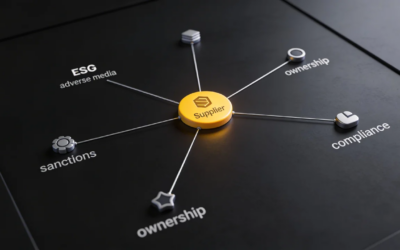
Supplier Reputational Risk: Key Checks, Red Flags, and Due Diligence Considerations
Supplier reputational risk is often underestimated because suppliers are still commonly assessed through an operational lens first. Cost, quality, capacity, lead times, and delivery reliability usually dominate the approval conversation. Those factors matter, but they...
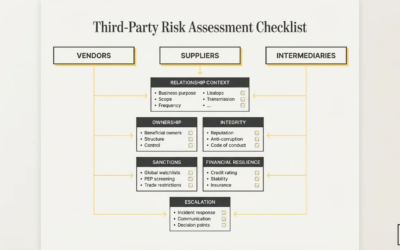
Third-Party Risk Assessment Checklist for Vendors, Suppliers, and Intermediaries
A third-party risk assessment checklist helps organisations review vendors, suppliers, and intermediaries in a more consistent and defensible way. It gives teams a structured framework for deciding what to check, what evidence to collect, what needs verification, and...
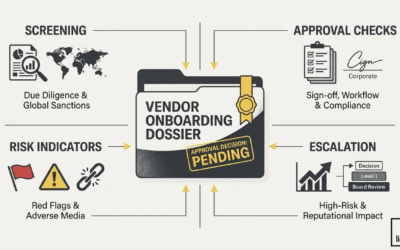
Vendor Onboarding Reputational Risk: Screening, Approval Checks, and Risk Indicators
Vendor onboarding reputational risk is often missed because onboarding can be treated as a routine admin step rather than a real approval decision. Forms may be completed and documents collected, but the key question is whether any aspect of the vendor’s conduct,...

How to avoid reputational risk with a checklist you can use before and after you sign
Reputational risk is the moment trust drops and the drop starts affecting decisions. Customers hesitate. Partners slow down. Good people stop applying. Regulators ask sharper questions. What makes it painful is not only the incident itself, but also the speed and...

ESG reputational risk and what buyers and partners check
ESG reputational risk shows up when a deal looks good on paper, then a trust issue appears and everyone suddenly slows down. Procurement asks more questions. Legal wants extra protections. Partners worry about public association. Even when nothing has gone to court,...
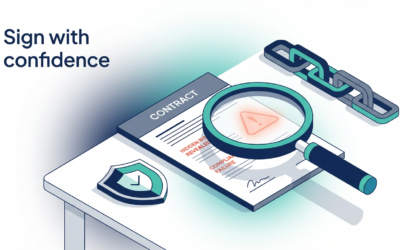
Reputation risk assessment that helps you sign with confidence
Reputation risk is one of those deal killers that rarely shows up in the first meeting. Everything can look fine on paper, the numbers might check out, and the team may seem polished. Then a hidden controversy appears, and suddenly your brand is tied to it. That can...

Reputational Risk Examples in Business: Common Ways Companies Lose Trust
If you are searching for reputational risk examples, you are probably trying to avoid the kind of surprise that does not show up in a spreadsheet until it is too late. A relationship can look fine on paper, then a hidden controversy turns into your problem, your...

What Is Reputational Risk in Corporate Due Diligence?
Reputational risk in corporate due diligence is the risk that working with a company damages trust in your business, because stakeholders form a negative view of who you are linked to. That perception can turn into real harm, such as lost deals, stricter scrutiny,...

What Is Corporate Due Diligence and When Do You Need It
When you are evaluating a new company to work with, the risk is rarely just about money. A bad counterparty can create legal exposure, operational disruption, reputational damage, or regulatory scrutiny. Those problems usually appear after the contract is signed, when...
Is a third party you are dealing with high risk?
Find out in minutes.
Want a smarter more cost-effective way to deal with your third party risks?
Stay in the Know
Sign up to receive commentary on current events related to third party risk management.