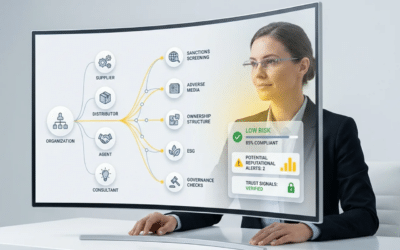
The Structural Failure of Modern Corporate Fraud Detection Many enterprise compliance programmes treat fraud risk as an automated onboarding check. They deploy binary screening tools that compare vendor registries and client databases against sanction lists,...
Integrate Third-Party Risk Data Beyond the 50% Rule To integrate third-party risk data effectively, create a single, governed record for each third party that links ownership, control, sanctions, adverse media, ESG, legal and operational evidence. Then set clear rules...
Red Flag Identification for Third-Party Risk Starts With Patterns Red flag identification establishes whether a third party presents a risk that warrants investigation before onboarding, investment, or transaction approval. It combines the identification of adverse...
Why Continuous Monitoring Services Matter for Real-Time Compliance Continuous monitoring services help organisations spot changes in security, compliance and third-party risk between formal reviews. When comparing options, look for services that can: Monitor technical...
Supplier Risk Evaluation Starts with Exposure, Not a Questionnaire A supplier risk evaluation determines whether a supplier can perform without creating financial, operational, compliance, ownership, or supply chain exposure. Before onboarding or renewal, it should...